
The Rise of Insecticide Resistance
Silent SpringThis flow traces how insect populations adapt to repeated chemical pressure and threaten the methods used against them.
increasing Bearing strength in each event
 decreasing
Bearing strength in each eventdecreasingEarly Signs of Resistance
A Question Asked Too Soon
Older Chemicals
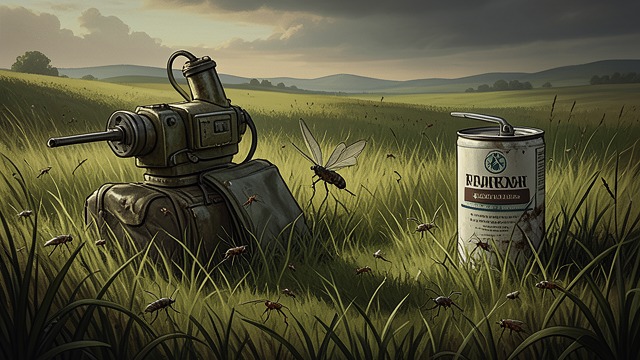
Resistance appeared in some insects exposed to prewar inorganic sprays, though the known cases were limited. These early examples showed that chemical control could select for survival.
A Warning Unheeded
The possibility was familiar to specialists before synthetic pesticides became widespread. Carson argues that the rapid later growth of resistance should not have been surprising to anyone considering population variation.
The Age of Resistance
A Rapid Increase
New Compounds, New Pressure
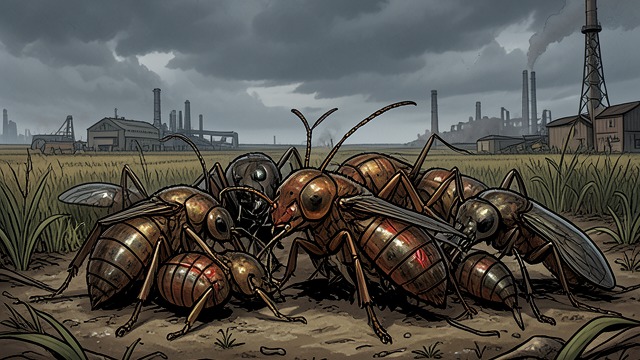
The widespread use of synthetic insecticides and intensive application accelerated the appearance of resistant species. A small number of earlier cases became a growing global problem.
Public Health at Risk
Resistance affected insects that carried human disease as well as agricultural pests. Programs once celebrated as successful began to face the possibility that their main chemicals would stop working.
Control Methods Fail
One Chemical After Another
The Housefly Example
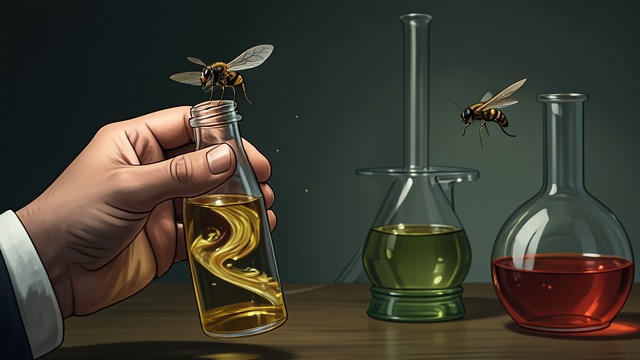
Houseflies in several regions developed resistance to DDT and then to other compounds. Replacing one chemical with another produced temporary control, not a permanent answer.
A Narrowing Choice
When resistance followed each new treatment, agencies faced a shrinking list of effective options. Sanitation and nonchemical methods reappeared as necessary tools rather than outdated alternatives.
Disease Vectors Adapt
A Medical Setback
Mosquito Resistance
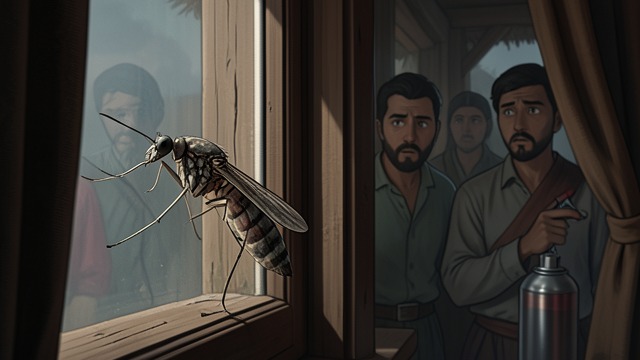
Carson describes resistance in mosquito populations that carried malaria and other diseases. The list of affected vector species expanded quickly, threatening programs that depended on repeated house spraying.
A Global Concern
The World Health Organization identified resistance as a major technical problem. The possibility of losing effective control made the chemical strategy a public-health risk as well as an agricultural one.
The One-Way Street
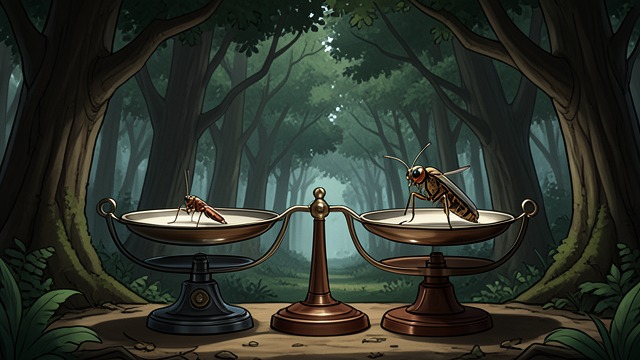
Escalation Has a Limit
More Is Not a Cure
Greater doses and new chemicals may briefly overcome resistance, but they increase ecological and human risks. The same escalation that seeks control can accelerate the loss of effective options.
A Biological Turn
Carson urges energetic research into biological methods and restrained use of chemicals. The challenge is to guide natural processes rather than assume that brute force can keep pace with insect adaptation.
Before the DDT era
After 1945
Late 1940s through the 1950s
By the late 1950s
Near the end of Chapter 16
